
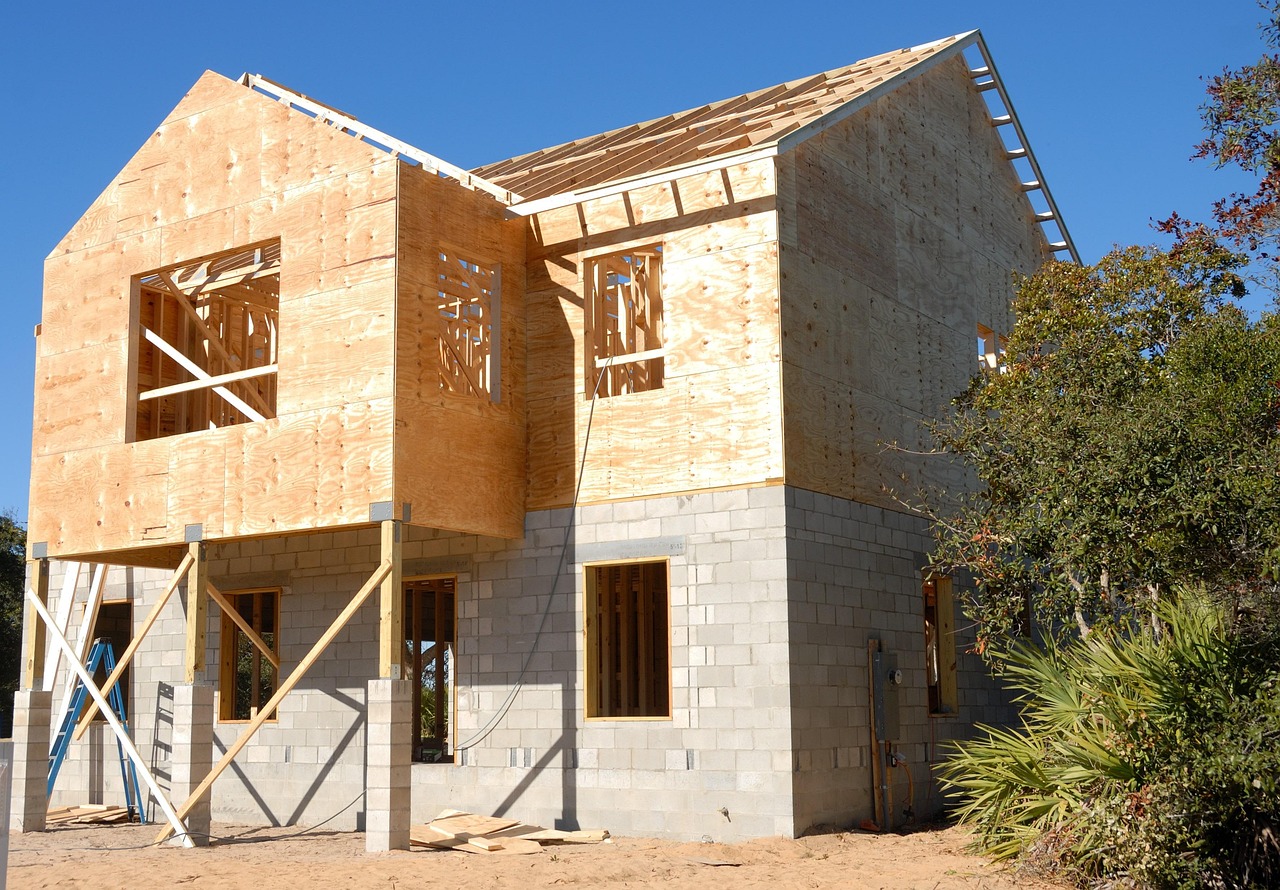
Supply Chain and Construction Trends: Forces Reshaping Real Estate Pricing and Availability
The real estate market remains deeply influenced by ongoing supply chain disruptions and constrained construction activity. From rising material costs to skilled labor shortages and logistical volatility, these pressures are affecting the availability, pricing, and delivery timelines of properties across global and local markets.
For prospective buyers looking at homes for sale, sellers planning to list your property, and investors evaluating opportunities, understanding these forces is crucial for sound decision-making.
Current Landscape: Construction Supply Chain Under Strain
Global disruptions — including pandemic aftershocks and geopolitical events — have left construction supply networks stressed. In South Africa, the construction industry is forecast to contract in 2025 due to rising costs and declining private investment, with residential building plans approved showing notable declines. (Yahoo Finance)
The average construction materials price index has risen year-on-year, and supply chain bottlenecks continue to challenge reliable delivery of components such as cement, steel and electrical materials. (GlobeNewswire)
These material pressures occur alongside structural labor shortages, which slow project progress and push up wage costs — especially in highly specialised trades. Skills gaps, regional employment constraints, and demographic shifts are contributing to longer timelines and higher overall construction expenses. (Rider Levett Bucknall)
Material Costs: A Key Determinant of Real Estate Pricing
Escalating Input Costs
Construction material pricing has shown consistent upward pressure. Essential inputs such as steel, concrete, and fittings have seen significant hikes well ahead of broader inflation trends, impacting project budgets and risk calculations. (SA Building Review)
This dynamic affects real estate pricing directly:
Higher construction costs translate into elevated asking prices for new builds.
Delayed delivery of foundational materials can push project completion timelines out, reducing available inventory and squeezing supply.
As a result, markets with efficient logistics and strong supply partners typically maintain steadier pricing and faster development schedules, while regions with material scarcity see slower growth and less new inventory.
External reference: Global forecasts confirm that supply shortages will intensify for sought-after assets through 2025, including office and industrial space. (JLL)
Labor Shortages: Structural Constraint on New Supply
Labor market pressures are compounding material issues. Across many countries, construction workforce participation is declining, largely due to an ageing workforce and insufficient inflows of new tradespeople. This fuels competition for skilled labor, raises wages, and increases construction costs per square metre — all of which flow through into property prices.
A sluggish pipeline of new supply means fewer completed homes and commercial properties reach the market on schedule, contributing to persistent supply deficits. (Rider Levett Bucknall)
Disrupted Supply Pipelines and Market Consequences
Delayed Projects and Pipeline Weakness
One visible impact of supply chain and labor constraints is project timeline extensions. Many developments slated for completion within typical 12–18 month windows are now stretching beyond that due to late deliveries and insufficient onsite capacity.
The combined effect of delays and scarcity creates imbalances between strong demand and limited supply, contributing to upward pricing pressure across residential and commercial segments.
Global trends: Major markets like the United States and Europe are also experiencing reduced construction starts and heightened scarcity of new completions. (PwC)
Impact on Real Estate Pricing and Inventory
Residential Markets
For buyers seeking homes for sale or land for sale, constrained construction means:
Reduced new listing volumes — fewer finished units become available monthly.
Increased demand for existing properties, which can lift pricing and narrow buyer choice.
This trend is particularly acute in high-demand urban corridors and coastal regions.
Commercial and Industrial Property
Commercial property development, including retail, office, and industrial space, also feels the strain. With higher costs and delayed yields, many developers postpone projects or focus on build-to-suit deals requiring strong pre-leasing commitments. (MMCG)
Strategies and Adaptations in Construction
Despite these challenges, industry responses are emerging:
Modular and Prefabricated Construction
Prefabrication reduces onsite labor demand and limits waste. These methods also help mitigate weather-related delays and improve productivity — potentially shortening build times and managing supply risk better.
Digital Procurement and Supply Visibility
New tools offering real-time insights into material availability and logistics help firms anticipate delays and adapt sourcing strategies.
Policy and Skills Development Initiatives
Governments and industry bodies are exploring workforce training programs, apprenticeships, and incentives to rebuild skilled labor pools — essential for long-term construction capacity.
What This Means for Buyers, Sellers and Investors
Buyers
Understanding supply constraints can inform timing, offer strategies and expectations around pricing. Being proactive and setting realistic budgets helps navigate slower inventory turnover and competitive bidding environments.
Sellers
In markets where new construction is constrained, existing homes may attract more buyer interest — potentially enhancing pricing power. Working with experienced agents ensures your property stands out.
If you’re planning to list your property with expert support, consider partnering with an agency like InfoProp Real Estate, which can help optimize visibility and positioning: https://www.infoprop.co.za/list-your-property. (Yahoo Finance)
Investors
Investors should monitor supply dynamics as they affect rental yields and capital appreciation. Markets where constrained supply meets strong demand are likely to sustain pricing momentum.
Stay informed on new listings and opportunities with tailored alerts here: https://www.infoprop.co.za/property-email-alerts. (Yahoo Finance)
Local Expertise Matters More Than Ever
In complex supply and construction environments, local market intelligence is pivotal. InfoProp Real Estate operates across 40+ South African branches, offering locally tuned insights whether you’re exploring residential, commercial, or land for sale opportunities: https://www.infoprop.co.za/profile. (Yahoo Finance)
Conclusion
Supply chain challenges, rising construction costs, and labor shortages are reshaping real estate pricing and availability in 2025. These pressures are influencing new supply, elevating costs, and slowing delivery timelines, all of which affect buyers, sellers, and investors.
By understanding these trends and leveraging local market insight and tools like targeted property alerts and expert agents, you can navigate the real estate landscape with greater confidence and strategic clarity.
Explore InfoProp’s resources to support your property goals — whether buying, selling, or investing.
Don’t Forget To Visit Our Social Media Chanels.
Please Like, Follow, and Subscribe.